 Sobi Moving
Moving With a Storage Gap in Atlanta: How Movers and Storage Fit
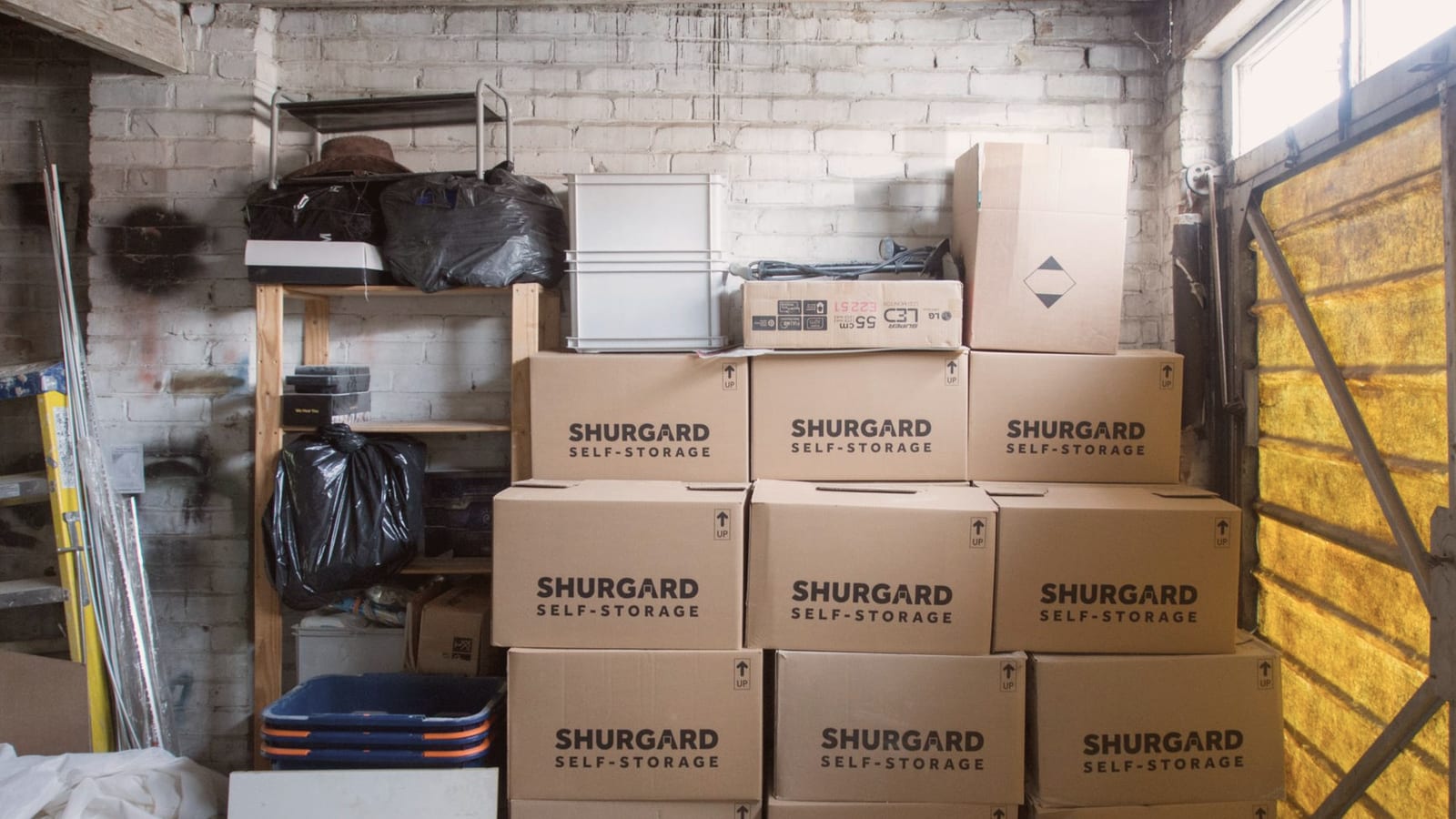
Moving and storage are two separate contracts: you rent the unit, and a mover handles the move in and the move out. Pack the unit with an aisle and labels facing out, keep heat-sensitive items out of unconditioned units, check your own insurance for stored goods, and book both legs with one mover so you are not paying for two half-empty trucks.
Key takeaways
- Sobi Moving does not operate storage. You rent the unit; Sobi does the move in and the move out.
- Your options for a gap: a self-storage unit, a portable container, a short-term furnished rental, or staging with family.
- Load the unit with an aisle, labels facing out, and what you need first in last.
- Candles, electronics, instruments, photos, and wood or upholstered furniture need climate control in a Georgia summer.
- The mover's valuation ends when the goods go into a unit you rent. Check your renters or homeowners policy and the facility's plan.
- Book both legs with the same mover at the same time, and confirm facility gate hours for both dates.
"Moving and storage" is really two separate decisions
People in Dunwoody and Sandy Springs search for "moving and storage" as if it were one service. It is not. Storage is a space you rent. Moving is the labor and the truck that get your things into that space and back out.
Sobi Moving does not operate storage facilities. What we do is the two moves on either side of the gap: everything into the unit on day one, everything out and into the new home on day two. Knowing that split up front keeps you from assuming the mover is responsible for your things while they sit in a unit you rented.
This guide covers the real options for a gap between homes, how a mover fits in, what never belongs in an unconditioned unit in a Georgia summer, who insures it, and how to time both legs.
Your four real options for the gap
The options, from most common to least:
- A self-storage unit you rent. Month to month, you hold the lock. The mover loads it and later unloads it. This is the right answer for most families.
- A portable container. Dropped in your driveway, filled, hauled to a lot, and brought back. Fewer handoffs, but check that your HOA allows a container to sit out and that the new address has room for it.
- A short-term furnished rental. You store nearly everything and live out of suitcases. Works when the gap is long.
- Staging with family. A garage or basement costs nothing but asks a favor and is rarely climate controlled.
Whatever you choose, the mover's job is the same two legs. For a local gap, that is local moving. If the second leg crosses a state line, it is a long-distance move with its own federal rules, covered below.
How a mover fits into a storage gap
Day one is a normal move with a different destination. The crew packs if you asked for packing, loads the truck, drives to the facility, and loads the unit. Be there to sign the lease, give the gate code, and watch the first few items go in so the layout is what you want.
Day two is the reverse. The crew meets you at the unit, loads the truck, and delivers to the new home. If you booked white-glove setup, furniture is placed and beds assembled before the crew leaves.
Three things to settle before day one:
- Reserve the unit before you book the move date, and confirm access hours. Many gates close in the evening, and a crew that arrives to a locked gate is a wasted trip.
- Tell the mover the unit size and whether it is drive-up, ground floor, or up an elevator. A third-floor interior unit takes longer than a roll-up door.
- Decide what you will need during the gap. Those boxes go in your car, not the unit.
Pack the unit so you can live with it
A unit stuffed floor to ceiling with no plan is one you cannot get into when the winter coats are in the back. Ask the crew to load it this way:
- Leave an aisle. One walkway down the middle, even if it costs you a bigger unit.
- Labels facing out. Label two sides of every box before moving day so a label faces the aisle no matter how it lands.
- Last in, first out. What you need first at the new home (kitchen basics, bedding, tools, kids' things) goes in last, nearest the door. Furniture you will not touch goes in first, against the back wall.
- Heavy and square at the bottom. Dressers and book boxes on the floor, lamps and pillows on top.
- Mattresses and sofas on end on a moving blanket, never flat on bare concrete.
- Keep the inventory with the box count next to the unit lease.
What should never sit in an unconditioned unit in Georgia
A standard drive-up unit is a metal box in the sun. On a July afternoon in metro Atlanta, the inside runs hotter than the outside, and the humidity has nowhere to go. Things that should not spend a Georgia summer without climate control:
- Candles, crayons, cosmetics, anything with wax or oil. They soften, slump, and stain whatever is underneath.
- Electronics. TVs, computers, speakers, consoles. Heat and condensation cycles are the problem.
- Musical instruments. Anything with wood and glue, strings, or felt.
- Photos, documents, books, artwork. Humidity curls, sticks, and molds paper. Keep originals with you.
- Upholstered and solid wood furniture. Fabric mildews, wood swells and cracks at the joints, leather dries out.
- Vinyl records, film, and tapes. They warp.
- Anything that can spoil or leak. Food, liquids, aerosols, propane, paint. Most facilities ban these outright.
For a gap longer than a couple of weeks, rent climate control or keep those items with you.
Climate control: what it actually means
"Climate controlled" is not a legal term, so ask the facility what it guarantees. A commonly cited industry target is roughly 50 to 80 degrees Fahrenheit with relative humidity at or below about 45 percent. Some facilities control temperature only, which is not enough in a humid climate. Ask two questions: what is the temperature range, and is humidity actively controlled? Get the answer in writing if you can. Interior units in a conditioned building are also cleaner and less prone to pests, which matters for mattresses and upholstery.
Insurance: who covers your things once they are in the unit
This is the part most people get wrong, and the main reason to treat moving and storage as separate contracts.
The mover's liability covers the move, not the storage. On an interstate move, federal rules give you two choices: Full Value Protection, or Released Value at 60 cents per pound per article, which you must select in writing. Either way, that liability applies while your goods are in the mover's custody. Once the crew closes the door on a unit rented in your name, the goods are in your custody, not the mover's.
Your renters or homeowners policy probably covers some of it. Most policies include off-premises coverage, commonly capped at about 10 percent of your personal property limit. A 50,000 dollar contents limit may leave about 5,000 dollars for a storage unit. Mold, flooding, and vermin are often excluded, and jewelry and instruments may need their own rider.
The facility's plan is a third layer. Most facilities sell monthly coverage or require proof of your own. Read which perils it covers and the per-unit limit.
Before you sign the lease, ask your insurance agent one question: how much of my personal property coverage applies to a self-storage unit? Compare that number to what you are putting in.
What size unit for how many bedrooms
Facility size guides are a reasonable starting point. One national operator's guide runs roughly like this:
- 5x10: a studio apartment
- 10x10: two small bedrooms
- 10x15: a two-bedroom home
- 10x20: a three-bedroom home
- 10x25 or 10x30: a four-bedroom home
Two cautions. Those guides assume a unit packed tight with no aisle, so go one size up if you want to reach anything mid-gap. And a Dunwoody or Sandy Springs house with a finished basement, a full garage, and patio furniture is not a "three-bedroom home" by volume. Count the big pieces, not the bedrooms, and ask your mover whether the itemized inventory will fit the unit you are eyeing.
Timing both legs so you are not paying for two trucks
The cost trap in a storage gap is not the unit rent. It is the second move. Scheduled carelessly, you pay for a half-empty truck twice.
- Book both legs with one mover at the same time. The crew that loaded the unit knows how it was packed. Sobi can do both legs on one quote.
- Load straight into the unit on day one. Do not stage at the old house and move it twice. Every extra handling is more time and more risk.
- Keep the gap short. If closings are a week apart, a short-term unit and two half-day moves can beat a month of rent plus two full days.
- Avoid the first and last days of the month. Facilities, elevators, and crews are booked solid then.
- Confirm facility access on both dates in writing. Holiday hours have ruined more than one day two.
Dunwoody and Sandy Springs: where this question comes from
Most people asking about moving and storage in this part of metro Atlanta are in Dunwoody and Sandy Springs. Both are full of families selling one house and buying another in the same school zone, with closings that rarely line up, and both have condo buildings along Perimeter Center and Roswell Road where the elevator reservation sets the schedule, not the facility.
Our Dunwoody movers and Sandy Springs movers pages cover HOA and building rules. The storage-gap plan is the same either way.
Ready to plan both legs?
Tell us your two dates, the unit size, and what is going in. Sobi Moving is licensed and insured, open 24 hours, 7 days, with a same-day itemized written quote and no hidden fees. We do not run storage. We do the move in and the move out, both on one quote. Get your quote here, or call or text (630) 456-1347.
Frequently asked questions
Does Sobi Moving offer storage?
No. Sobi Moving does not operate storage facilities. You rent a self-storage unit or a portable container in your own name, and Sobi handles the move into it and the move out of it. Both legs can be booked together on one itemized written quote, and the crew that loaded the unit can be the crew that unloads it.
What size storage unit do I need for a three-bedroom house?
Facility size guides commonly match a 10x20 unit to a three-bedroom home, but that assumes it is packed tight with no walkway. If you want to reach anything during the gap, go one size up. Homes with a finished basement, garage, or patio furniture usually need more than the bedroom count suggests. Count the large pieces and ask your mover to compare the itemized inventory to the unit.
Do I need a climate-controlled unit in Atlanta?
For anything heat or humidity sensitive, yes. That includes electronics, musical instruments, photos and documents, candles, and solid wood or upholstered furniture. A standard drive-up unit gets hotter inside than the outside air on a summer afternoon. Ask the facility for its temperature range and whether humidity is actively controlled, since some units control temperature only.
Is my furniture insured while it sits in storage?
Not by the mover. A mover's valuation, whether Full Value Protection or Released Value on an interstate move, applies while goods are in the mover's custody. Once they are in a unit you rent, coverage comes from your renters or homeowners policy, which often caps off-premises items around 10 percent of your contents limit, or from a plan the facility sells. Confirm your limit before you sign the lease.
How do I avoid paying for two full moves?
Book both legs with one mover at the same time, load straight into the unit on day one rather than staging at the old house, and keep the gap as short as the closing dates allow. Confirm facility access hours for both days in writing, and avoid the first and last days of the month when crews, elevators, and facilities are all booked.
Sources
Ready for a calmer move?
Get an honest, no-pressure quote from a metro Atlanta crew that treats your home like their own.
Get your free quote